


Safe Driving

By SIA Group | 4 min read | Published July 28th, 2025 Don’t Let Small Mistakes Cost You Big Applying for auto insurance may seem like a routine task. However, small errors on your application can lead to big consequences—such as denied claims, unexpected rate hikes, or policy cancellations. Fortunately, many of these mistakes are easy…
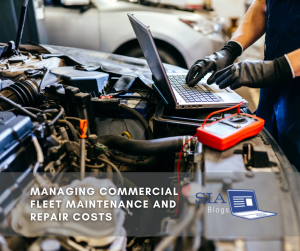
Managing Commercial Fleet Maintenance and Repair Costs: Trends, Strategies, and Insurance Benefits Fleet maintenance is a critical responsibility for businesses that rely on vehicles to support their operations. However, rising costs driven by inflation, supply chain disruptions, and evolving vehicle technology have made keeping fleets in optimal condition increasingly challenging. Despite these obstacles, maintaining safe…
In an era of rising fuel costs and environmental awareness, improving your vehicle’s fuel efficiency isn’t just about saving money—it’s about reducing your carbon footprint too. By making a few adjustments to your driving habits and vehicle maintenance, you can stretch your dollars and visit the gas pump less frequently. Fuel Efficiency by the Numbers…
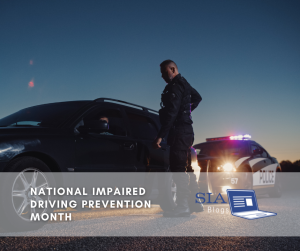
December Is National Impaired Driving Prevention Month Celebrate safely during the upcoming holiday season by talking about the risks of impaired driving and setting clear expectations for drivers. Parents and Caregivers Can Promote Responsible Decision-making The National Highway Traffic Safety Administration (NHTSA) encourages parents and caregivers to set clear boundaries with young drivers. Impaired driving,…

Many drivers don’t realize how much their credit score can impact car insurance premiums. In most states, insurers use your credit score to help determine your rates, and even a small change in your score can lead to significant fluctuations in your premium. However, three states—California, Massachusetts, and Hawaii—have banned the use of credit scores…

Drivers representing companies face significant risks on the road, with transportation incidents ranking as the leading cause of work-related fatalities in the US. In 2020 alone, there were 1,778 fatal occupational injuries involving transportation incidents, accounting for 37.3% of all workplace fatalities. This poses financial and safety concerns for businesses, highlighting the need for proactive…
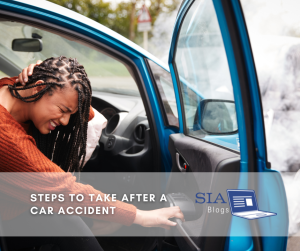
Experiencing a car accident can be unsettling, and navigating the aftermath may seem overwhelming. Here’s a guide on what to do:
Check for Injuries:
Inspect yourself and passengers for injuries.
Avoid moving anyone seriously injured and call 911 immediately.
If safe, check on other involved drivers.
Move to Safety:
If drivable, move your car to the side of the road with hazard lights on.
Turn off your vehicle after relocating.
If immovable, prioritize moving yourself and passengers to a safe area.
Contact the Police:
Dial 911 or the nonemergency police number based on the accident’s severity.
Some situations may legally require police involvement.
Prompt police contact initiates a vital incident report for insurance claims.
Document and Exchange Information:
Note the accident location, take comprehensive scene pictures.
Capture various angles and all vehicle damages.
Exchange information with other drivers: name, address, contact, insurance details, license, plate, and vehicle specifics.
Request contact information from willing bystanders.
Obtain the Police Report:
Document officers’ names and badge numbers at the scene.
Inquire about obtaining a copy of the incident report.
The report is crucial for insurance claims.
Contact Your Insurer:
Call your insurance agent promptly after the accident.
Consider reaching out from the scene if possible.
The auto insurance landscape in 2024 poses challenges for consumers seeking cost-effective coverage without compromising quality. Understanding the market dynamics is essential for informed decision-making amid rising rates. 2023 Insights: The auto insurance industry faced challenges in 2023, driven by factors such as poor rate adequacy, an increase in car insurance claims, and the impact…
The holiday season marks the peak of long-distance travel, with crowded highways causing additional stress. Don’t let travel worries ruin your plans; take control with these tips: Car Insurance Tips: By incorporating these travel and comprehensive car insurance tips, you can minimize holiday travel stress, ensure a smoother journey, and have peace of mind in…
Did you know, North Carolina is ranked fifth in the U.S. for vehicle collisions with animals? During the colder months, animals— particularly deer— begin to venture out of their woodland homes to search for additional food sources. The autumn season also signals the prime mating season for deer. While this timeline is instinctual to animals in mother nature, animals and humans can frequently cross each other’s paths while on hikes or on the road.