


Risk Management
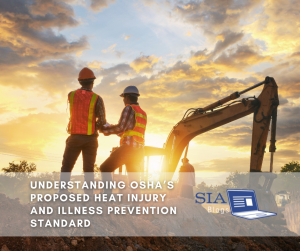
The Occupational Safety and Health Administration (OSHA) has recently taken a significant step towards enhancing workplace safety by publishing a notice of proposed rulemaking in the Federal Register regarding heat injury and illness prevention. If finalized, this new standard would represent the first federal regulation specifically aimed at safeguarding workers from extreme heat, affecting all…
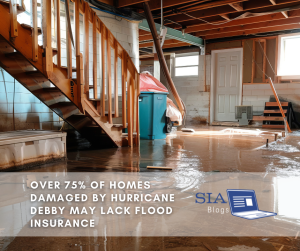
More than three-quarters of the homes hardest hit by Hurricane Debby were located outside federal flood zones, meaning they weren’t required to carry flood insurance. Since standard homeowners insurance doesn’t cover flooding, uninsured damages from the storm could reach up to $12.6 billion, according to an analysis by the First Street Foundation. Hurricane Debby made…

What is an Experience Modification Worksheet? An experience modification worksheet, also known as an experience rating worksheet or experience mod worksheet, is essential for determining a company’s EMR. This worksheet helps employers and insurers evaluate and manage workplace safety, resulting in fair insurance premiums and safer work environments. Understanding the Experience Modification Rating (EMR) An…

Understanding the Importance of D&O Insurance for Private Companies In today’s business landscape, corporate transparency and accountability are paramount. Directors and officers of private companies face numerous liability exposures that can lead to costly legal battles. Stakeholders and third parties may hold board members accountable for damages resulting from alleged mistakes or poor decisions, leading…

Learn about OSHA’s new Walkaround Rule effective May 31, 2024, allowing employees to designate non-employee representatives for on-site inspections. Discover employer rights, third-party participation guidelines, and strategies to protect trade secrets during inspections.
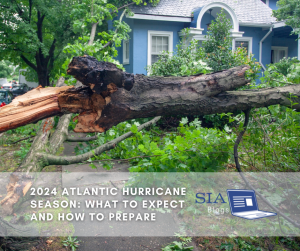
As the 2024 Atlantic hurricane season approaches, meteorologists are predicting an unusually active period, with significant implications for coastal communities and beyond. Officially running from June 1 to November 30, this year’s season is expected to be one of the most intense on record, with forecasts suggesting a higher-than-average number of storms. Here’s what you…

Stay interviews delve into what motivates employees to stay with—or leave—an organization and pinpoint areas that require attention to enhance workplace appeal. They not only provide small businesses with early insights into potential issues before they lead to employee turnover but also demonstrate to employees that their opinions matter, showcasing the company’s commitment to enhancing…
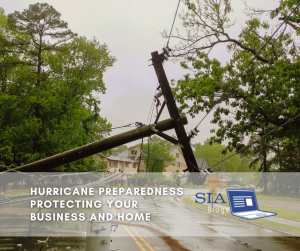
As a resident or business owner in Eastern North Carolina, you’re no stranger to the potential impact of hurricanes. These powerful storms can bring devastating winds, heavy rainfall, and flooding, posing significant risks to both your personal property and business assets. Eastern North Carolina has experienced numerous hurricanes over the years, with some notable ones…

Drivers representing companies face significant risks on the road, with transportation incidents ranking as the leading cause of work-related fatalities in the US. In 2020 alone, there were 1,778 fatal occupational injuries involving transportation incidents, accounting for 37.3% of all workplace fatalities. This poses financial and safety concerns for businesses, highlighting the need for proactive…
Business continuity in the face of unexpected disruptions is a critical concern for organizations. Business Interruption (BI) insurance steps in to provide financial safety nets during times of crisis.