


Read time: 5 mins / SIA Group If you own a pool, understanding pool liability insurance is essential for protecting yourself and your property.
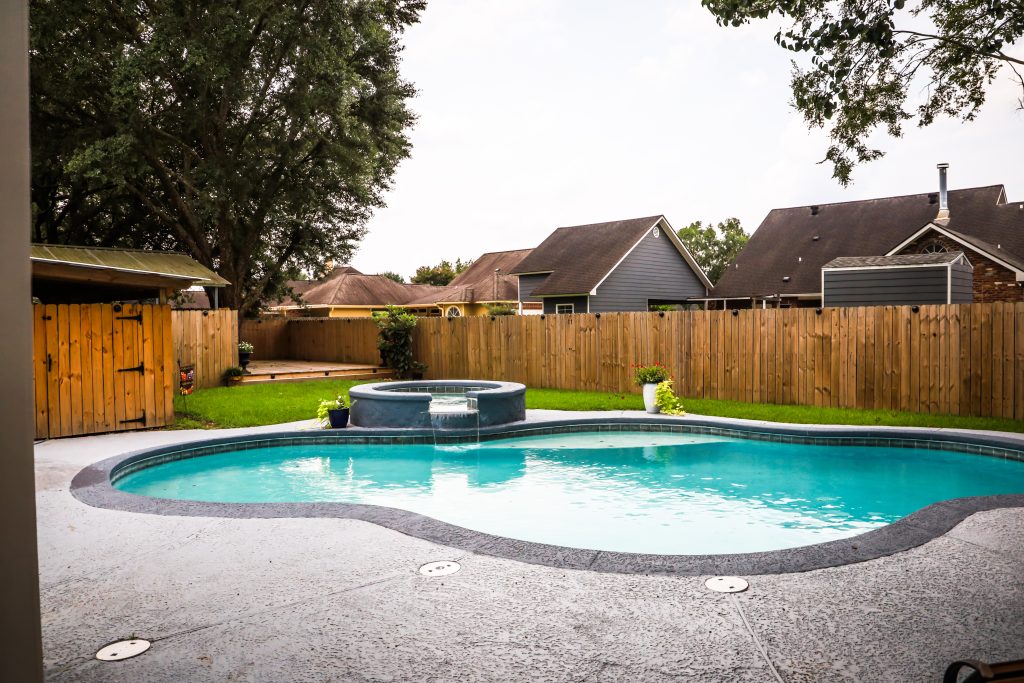
As temperatures rise across North Carolina and the Southeast, pools, patios, and backyard spaces become the center of summer activity.
It is also the time of year when liability risk increases, not because something always goes wrong, but because more people, more activity, and more exposure are involved.
Below are the key things homeowners should understand before the busiest part of the season.
Injury Risk Matters More Than Property Value
One of the most common misconceptions is that insurance is mainly about protecting the structure, the pool, the deck, or the equipment.
In reality, the biggest financial exposure usually comes from injury to someone else.
Examples include:
- Slipping on a wet pool deck
- Falling on stairs or uneven surfaces
- Injuries during swimming or diving
Even when everything appears safe, medical costs and legal claims can be significant.
Pools Are Considered High Risk Areas
From an insurance standpoint, pools increase risk because they:
- Attract guests and children
- Create slip, fall, and diving hazards
- Require active supervision
- Are used more frequently during summer
Because of this, policies often rely on basic safety expectations such as:
- Fencing or barriers
- Secured or locked gates
- Compliance with local building and safety codes
These expectations are not just recommendations. They can influence how coverage applies.
Some Features May Be Excluded From Coverage
Not all pools are treated the same.
In some cases, insurance policies may:
- Exclude liability coverage for the pool entirely
- Restrict coverage based on specific features
- Require additional conditions before coverage applies
Common examples include:
- Diving boards
- Water slides
- Trampolines
These features increase the likelihood and severity of injury, which can result in higher medical and legal costs.
Because of this, some insurers choose to:
- Limit coverage
- Add restrictions
- Or exclude liability altogether for those setups
This is not always obvious at the time a policy is purchased.
Liability Coverage Applies Based on Responsibility
A common question is:
“If someone gets hurt in my backyard, is it automatically covered?”
Not necessarily.
Coverage depends on:
- Whether reasonable precautions were taken
- The condition of the property
- The circumstances surrounding the incident
Insurance is designed to respond when you are legally responsible, not simply because an injury occurred.
Backyard Gatherings Increase Exposure
Summer often means:
- More guests
- Social gatherings
- Outdoor activities
Each additional person on the property increases the chance of:
- Injury
- Accidental damage
- Liability exposure
This is not about avoiding gatherings. It is about understanding how activity levels affect risk.
Coverage Limits Matter More Than Most People Expect
Standard liability coverage can handle many situations, but limits are finite.
Serious injuries can involve:
- Medical treatment
- Legal expenses
- Settlements
In these cases, the coverage limit becomes the key factor in how much protection is available.
Umbrella Coverage Adds Another Layer of Protection
Umbrella coverage is designed to:
- Extend liability protection beyond standard limits
- Provide additional financial protection in more severe situations
This becomes especially relevant for homes that:
- Have pools or higher risk features
- Host guests frequently
- Have increased exposure compared to typical use
Not Everything in the Backyard Is Automatically Covered
Another common misunderstanding is assuming everything in a backyard is included.
In reality:
- Items not permanently attached may not be covered
- Equipment and personal belongings may require separate consideration
- Certain uses of the property can change how coverage applies
Being on the property does not automatically mean it is insured.
Common Gaps People Discover Too Late
After an incident, homeowners often realize:
- Liability limits were lower than expected
- Certain features affected coverage
- Safety expectations were not clearly understood
- Some situations fall outside policy terms
These situations are not unusual. They reflect how policies are structured.
What to Review Before Peak Summer Use
Before pool season is fully underway, it is worth reviewing:
- Liability coverage limits
- Whether any features such as slides or trampolines affect coverage
- Required safety measures such as fencing or gates
- How the property is used such as guests, gatherings, and frequency
- Whether additional protection such as umbrella coverage is needed
This is not about expecting something to happen.
It is about understanding how things work if something does.
Why This Matters in North Carolina and the Southeast
In this region:
- Warm weather lasts longer
- Pools and outdoor spaces are used more often
- Social gatherings are more frequent
That increased use means increased exposure over time.
Final Takeaway
Pool and backyard liability is not just about safety. It is about understanding how responsibility and coverage are connected.
Insurance is designed to respond, but only within:
- Defined limits
- Specific conditions
- Clear expectations
A simple review before peak summer activity helps ensure everything is aligned before it is ever tested.
Boat Insurance in North Carolina: Avoid Common Mistakes | SIA Group