


Read Time 5 mins / SIA Group / This article covers important information you need to know about external structure insurance and its benefits for property owners.
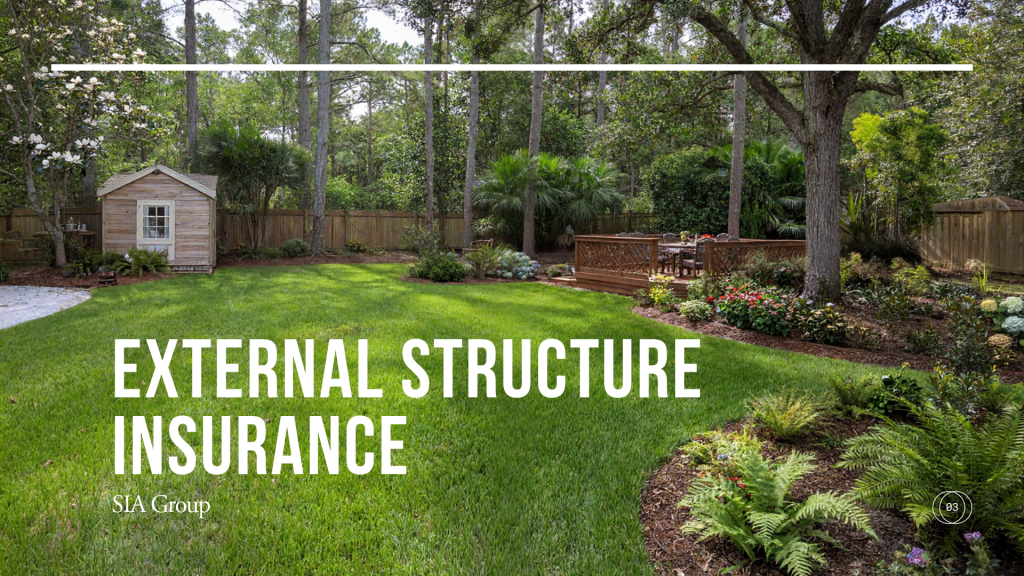
Many property owners search online asking questions like: what is external structure insurance and do I need it?
- What is external structure insurance?
- Are fences covered by insurance?
- Does insurance cover detached structures?
These questions are especially common in North Carolina and the Southeastern United States, where wind, storms, heat, and heavy rain frequently damage outdoor structures.
This article explains what external structure insurance is, what it typically covers, what it excludes, and when it matters most, so you can better understand how insurance applies to the structures around your property.
What Is External Structure Insurance?
It refers to coverage for structures located outside the main building on a property. These structures are often described in insurance policies as “other structures,” “detached structures,” or similar terms.
Examples of external structures include:
- Fences and gates
- Detached garages or sheds
- Carports
- Awnings and canopies
- Covered walkways or breezeways
- Exterior staircases and ramps
- Retaining walls
Because these structures are separate from the main building, they are often insured differently and sometimes less clearly, than the primary structure.
Are External Structures Automatically Covered by Insurance?
Many policies include some coverage for external structures, but this does not mean full protection.
Coverage may:
- Be limited to a small percentage of total property coverage
- Apply only to specific types of structures
- Require structures to be specifically listed
- Be subject to deductibles that exceed repair costs
This is one of the most common misunderstandings related to external structure insurance, and it often leads to surprises after a loss.
What Does External Structure Insurance Typically Cover?
When coverage applies, external structure insurance generally protects against sudden and accidental physical damage caused by covered events.
Commonly covered causes of loss include:
- Fire and smoke
- Windstorms and hail
- Vandalism or intentional damage
- Vehicle or equipment impact
- Certain weather‑related events
In North Carolina and throughout the Southeast, wind and storm damage are among the most frequent causes of damage to external structures.
What Is Usually Not Covered?
External structure insurance does not cover every type of damage. Common exclusions include:
- Normal wear and tear
- Rust, corrosion, or gradual deterioration
- Poor construction or design defects
- Lack of maintenance
- Cosmetic damage that does not affect use
- Flooding or earthquake damage unless specifically added
Insurance is designed to address unexpected events, not long‑term maintenance issues.
Are Fences Covered by Insurance?
“Are fences covered by insurance?” is one of the most searched questions in North Carolina.
The answer depends on the policy.
Some policies provide limited coverage for fences, while others require:
- Special endorsements
- Separate coverage limits
- Explicit listing of the fence
Because fences are exposed to weather, vehicles, and vandalism, damage is more common, making understanding fence coverage especially important.
How Much Coverage Is Enough for External Structures?
Coverage is typically based on replacement cost, meaning the amount it would cost to rebuild the structure today.
Factors that influence coverage needs include:
- Current material and labor costs
- Exposure to storms or traffic
- Construction type and size
- How essential the structure is for daily use
Underestimating replacement cost can lead to partial reimbursement even when a claim is approved.
Why External Structure Insurance Matters in North Carolina and the Southeast
Properties in the Southeastern U.S. face unique environmental risks, including:
- Hurricanes and tropical storms
- High winds and wind‑driven debris
- Heavy rainfall
- Heat and prolonged UV exposure
External structures are often the first parts of a property to be damaged, making insurance coverage especially important in this region.
Common External Structure Insurance Gaps
Some of the most frequent issues discovered after damage occurs include:
- Structures not listed in the policy
- Coverage limits that are too low
- Deductibles that offset smaller repairs
- Misunderstanding what qualifies as an “external structure”
These gaps are rarely obvious until a claim is filed.
The Bottom Line
External structure insurance is often overlooked, misunderstood, or assumed.
Understanding how insurance applies to fences, sheds, carports, awnings, and other outdoor structures is essential—especially in weather‑exposed regions like North Carolina and the Southeastern United States.
The best time to understand this coverage is before something goes wrong.
Beyond the house: Insuring your deck, fence, and detached garage – Insurance News | InsuranceNewsNet
Home Insurance Claims NC: Understanding Approval | SIA Group %